Texas Fire & Smoke Damage Insurance Claim Lawyers (Residential & Commercial)
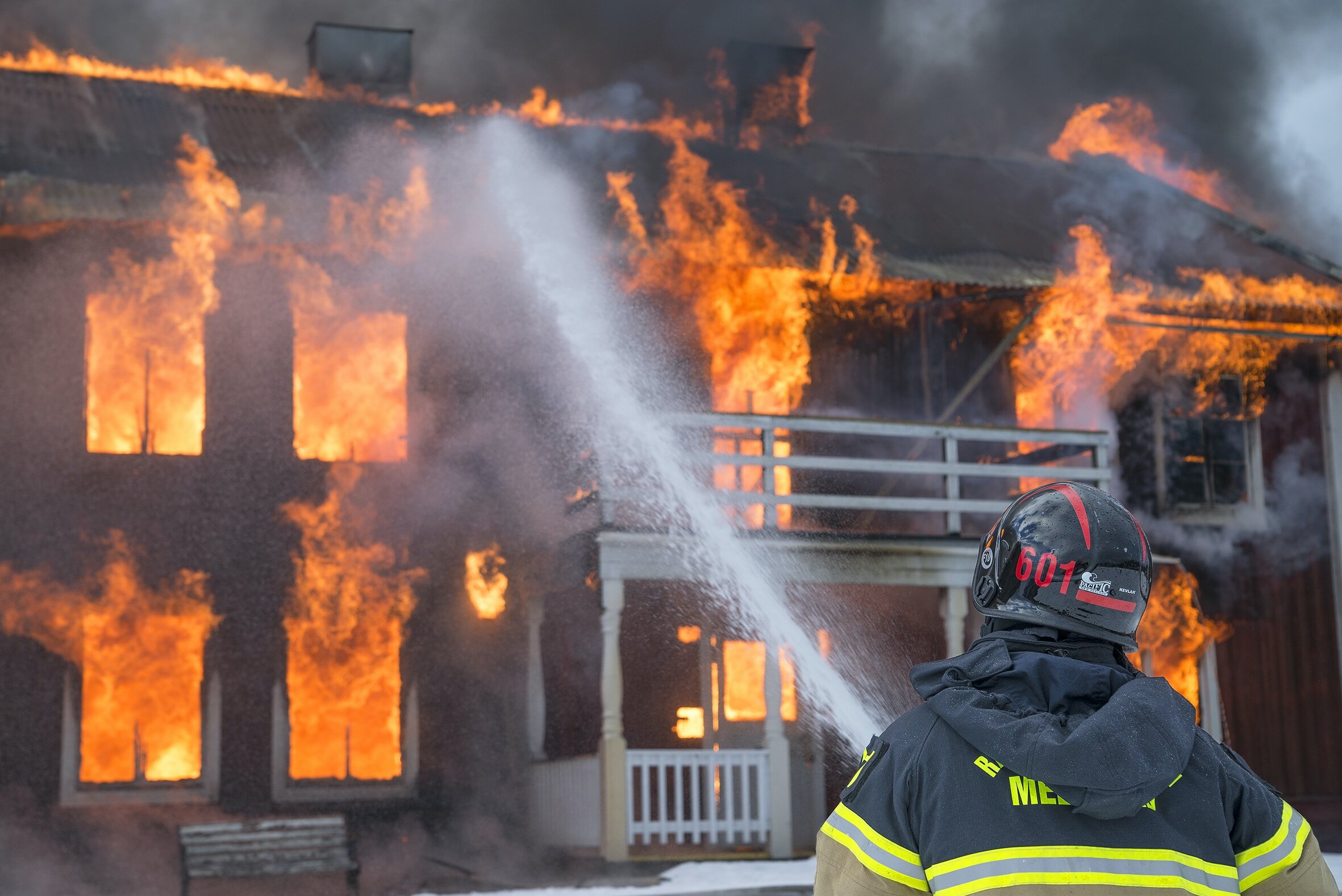
Fire damage to a home or business can be devastating—even when the structure doesn’t burn to the ground. Smoke, soot, odor, and water from suppression can cause long-lasting damage that’s expensive to repair and easy for insurers to under-scope. For businesses, a fire can also mean lost revenue, displaced tenants, inventory loss, and costly extra expenses to keep operating.
Lundquist Law Firm handles one thing only: property insurance disputes for policyholders. If your fire or smoke damage claim is delayed, underpaid, or denied, we can help you pursue full benefits under your policy. Prior to litigation, our contingency fees on fire claims start as low as 15%.
Call (346) 704-5295 or contact us today to schedule a free case evaluation with one of our experienced attorneys. Download our Claims Management brochure to understand how early claim strategy can affect the outcome of a fire or smoke claim.
Fire claims are common—and insurers often fight the scope
Fires can start from kitchen incidents, electrical failures, heating equipment, lightning, equipment malfunctions, and (in some areas) wildfires. Regardless of the cause, fire losses often involve more than what’s visibly burned.
Insurers commonly underpay by focusing only on “burned” materials and ignoring:
smoke and soot contamination throughout the building,
hidden water migration behind walls/floors,
necessary demolition (“tear-out”) to access damaged components,
code-driven upgrades, and
business interruption losses (commercial claims).
Commercial fire claims: what owners often miss (and insurers often minimize)
If you own a hotel, retail center, office building, industrial facility, warehouse, multi-tenant property, or condominium/HOA association, fire losses frequently trigger disputed categories such as:
Business interruption and extra expense
For many commercial owners, the largest loss is income disruption, not the building repair. Insurers often demand very specific documentation and may minimize:
lost profits / loss of rents,
occupancy impacts (hotels/multi-tenant properties),
payroll issues,
temporary relocation costs,
expedited shipping and overtime labor, and
increased operating expenses to keep the business running.
Tenant improvements, inventory, and equipment
Commercial claims often involve:
build-outs and tenant improvements,
specialized equipment and systems,
inventory and contents valuation disputes.
Code upgrades (Ordinance & Law)
Rebuilds frequently require code-driven upgrades. Coverage depends on the policy and endorsements—this is a common fight.
What a typical fire insurance policy may cover
Every policy is different, but many residential and commercial property policies may provide coverage for:
Building repairs (structure, finishes, systems, and necessary demolition)
Contents / personal property / inventory
Smoke and soot remediation (cleaning, odor removal, specialized restoration)
Water damage from suppression (and related drying/mitigation)
Debris removal
Loss of use / Additional Living Expense (ALE) for homeowners
Business interruption / Extra expense for commercial policyholders
Ordinance & Law (code upgrades), if included by endorsement
Fire losses often require specialized professionals. The cost of necessary cleaning and restoration should be fully accounted for in the claim.
Smoke and soot damage: why “no major flames” doesn’t mean “no major claim”
Smoke and soot can infiltrate:
HVAC systems and ductwork,
insulation and porous materials,
textiles, carpeting, and furnishings,
electronics and sensitive equipment,
concealed cavities behind walls and ceilings.
Different fire conditions can create different types of smoke/soot residues (for example: oily residue from slower, smoldering fires vs. powdery residue from faster-burning fires). The correct cleaning method—and whether materials must be cleaned, sealed, or replaced—depends on the facts, the materials affected, and professional evaluation.
Common reasons fire and smoke claims are denied or underpaid
Fire claims can be denied or underpaid for many reasons, including tactics such as:
claiming damage is “pre-existing” or unrelated
minimizing scope to what’s visible (“we only owe what we see”)
disputing the necessity of tear-out, containment, or remediation steps
undervaluing contents / inventory
delaying inspections and then blaming the policyholder for conditions worsening
disputing business interruption calculations or demanding unrealistic proof
raising misrepresentation or arson suspicions without adequate support
If an insurer alleges arson or fraud, those are serious allegations and must be supported. These disputes often require experienced counsel and careful evidence development.
What to do after a fire (claim-protecting checklist)
1) Protect people first and mitigate safely
Take reasonable steps to prevent further damage. Keep receipts for temporary repairs and mitigation.
2) Document early and thoroughly
Before major demolition (if possible), take photos/video of:
affected rooms and contents,
soot patterns and smoke staining,
water migration and saturation,
mechanical and electrical areas,
damaged inventory/equipment (commercial).
3) Preserve evidence when feasible
If components failed (appliances, wiring, equipment), preserve them if you can.
4) Keep organized records
Create a claim folder that includes:
fire department report, photos/videos, mitigation invoices,
inventories of damaged items,
repair estimates and scope documents,
communications with the insurer and adjusters,
for businesses: revenue records, occupancy/reservations, payroll, extra expenses.
5) Be careful with disposal
Don’t discard major items or materials without documenting them first. When in doubt, photograph, inventory, and confirm with professionals.
When should you talk to a fire insurance claim attorney?
Many claims resolve without litigation. But you should strongly consider a review when:
the insurer issues a low estimate or “below deductible” outcome that doesn’t make sense,
the insurer denies smoke/soot remediation or tear-out costs,
the insurer minimizes business interruption/extra expense,
the claim involves multiple units/tenants or complex systems,
delays or rotating adjusters are slowing the claim,
you’re being pressured to settle before the full scope is known.
Early strategy can prevent the insurer from locking in an artificially narrow scope.
Why Lundquist Law Firm
Property insurance disputes are the only area of our practice.
All our attorneys previously defended insurers, so we know the tactics and how to counter them.
We handle both residential and commercial fire loss disputes and build cases with the evidence needed to prove scope, causation, and damages.
With over 60 years in combined experience, we have helped policyholders with a variety of complex fire claims, collecting almost $320 million in confidential settlements for policyholders. As a smaller firm, we provide greater attention to detail and a hands-on approach—because claims are won or lost in the details.
Call (346) 704-5295 or contact us to discuss your fire or smoke damage claim.
Fire Insurance Claim FAQ
How long does a fire insurance claim take?
Timelines vary based on scope, documentation, and disputes. Complex claims—especially commercial losses with business interruption—often take longer than homeowners expect.
Is smoke damage covered if the fire didn’t reach my unit?
Often, yes—smoke and soot can be covered even without major flame damage, but insurers commonly dispute scope and cleaning methods.
What if the insurer says the damage is “maintenance” or “pre-existing”?
Those defenses are common. The outcome often depends on documentation, expert evaluation, and the exact policy language.
We work on a contingency-fee basis, which means you owe us nothing if we are unsuccessful. And we handle fire insurance claims prior to litigation at a significantly reduced contingency fee. We also front the case expenses necessary to combat the insurance company in litigation. We promise to aggressively pursue your rights under the policy if your fire insurance claim was delayed, underpaid, or denied. Of note, the Texas Department of Insurance has found that engaging the services of an advocate increases an insured’s payment on a fire damage insurance claim by an average of 308%.*
Contact Lundquist Law Firm’s Award-Winning Fire Damage Insurance Claims Attorneys
The award-winning, undefeated trial insurance lawyers at Lundquist Law Firm can communicate with insurance companies, gather formal reports from arson investigators, and collect repair or replacement estimates for a fire-damaged property. Our lawyers have collectively resolved almost $400 million from carriers over the last 15 years. When insurance claims are denied, or a carrier is undervaluing damage, a fire damage insurance claim lawyer can initiate formal litigation and report the insurance company to the Texas Department of Insurance.
To learn more about the legal assistance we can provide on your fire insurance claim, give us a call at (346) 704-5295 or contact us today to schedule a free case evaluation.